Portside

Material of Interest to People on the Left










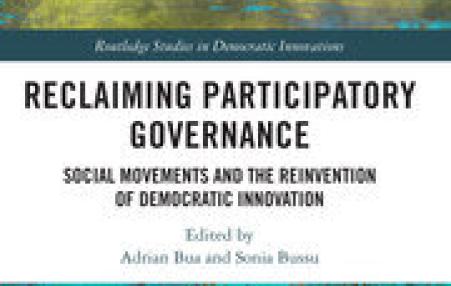 This book analyses social movements around the world that engage with democracy-driven or participatory governance.
 A new restoration of Frank Borzage’s 'Man’s Castle' starring Loretta Young and Spencer Tracy, showcases the visionary Hollywood director’s lusty yet spiritual artistry balancing a sharply etched view of poverty in the shadow of wealth.
 Soups are made from the traditions of the countryside where people are used to eating the animals that live there (the rat is a country creature, not the urban variety) and some think of them even as a kind of medicine.
 A messy sendoff is anchored by the series' best, darkest, and most grimly funny scene
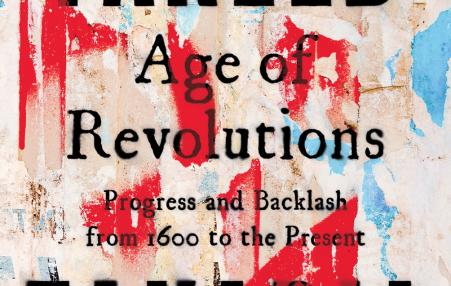 In “Age of Revolutions,” the CNN host promises to shed light on four centuries of social upheavals and to offer insights on the global fractures of the present.
 Labor
Labor “.......journalists have been paying the highest price— their lives—to defend our right to the truth. Each time a journalist dies or is injured, we lose a fragment of that truth,” said CPJ Program Director Carlos Martínez de la Serna.
 Taylor voiced both a cautious optimism about his union’s trajectory, and some frustration at the labor movement’s hesitation to exploit the unusually pro-union climate now abroad in the land.
 Shawn Fain says he expects ‘more of the same to come’ after celebrating union’s historic victory at Tennessee plant.
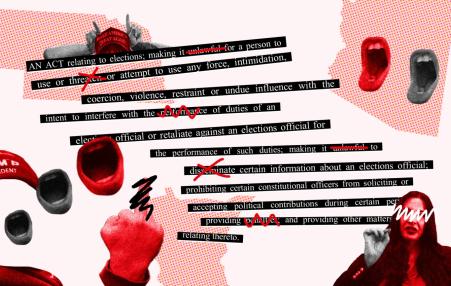 A political party that shamelessly spreads election denialism is capable of worse.
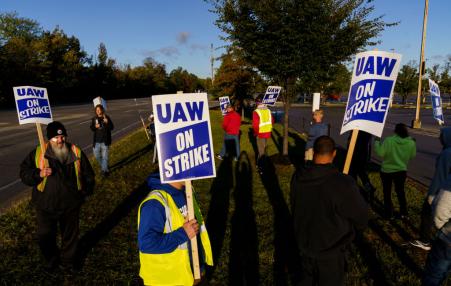 The uptick in high-profile strikes in recent years has been heartening. But sustaining and expanding the gains won by that militancy will require careful strategizing and deep political engagement that starts with but goes beyond the shop floor.
 Michael Graetz’s new book explains how clever marketing duped America into shoveling more tax breaks to the wealthy and corporations.
Marc Elias discusses the Supreme Court arguments regarding presidential immunity.
Having trouble understanding the intricacies of the interference hush money trial? The frog explains what it's all about.
The next chapter in worker power in the South: 7,300 workers are ready to walk out and shut down seven plants at midnight.
As protests for Gaza ramp up on college campuses, the de-escalation effort doesn't seem to be...de-escalating.
AI may soon allow us to understand and talk to whales. But some scientists are asking: SHOULD we talk to whales?
Over 4,000 Volkswagen workers in Tennessee just joined the UAW. This will change the auto industry, and the future of American labor.
What if you stopped and listened to what they have to say? You might find their stories strikingly relatable.
Spread the word